
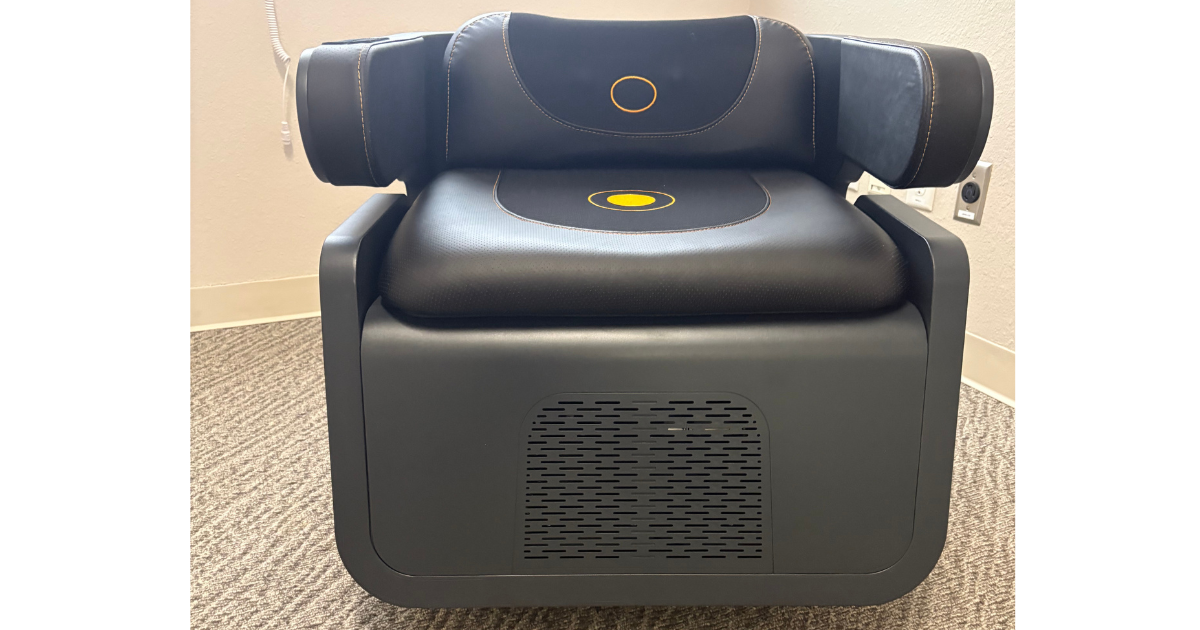
Pelvic floor symptoms can be frustrating when symptoms keep returning, or basic advice has not helped. Muscle Restoration Therapy connects education with movement, comfort, and function so patients can understand practical signs to watch for and when to ask about pain management services.
Pelvic floor therapy is one of the most under-utilized treatments in modern medicine. Roughly one in three women and one in nine men will experience pelvic floor dysfunction at some point in life — yet most patients spend years managing symptoms before they ever hear the words pelvic floor therapy from a clinician.
Part of that gap is awareness. The pelvic floor is a hammock of muscles, ligaments, and connective tissue that supports the bladder, bowel, and reproductive organs. When those muscles become weak, tight, or uncoordinated, symptoms can show up almost anywhere — leaks, urgency, low back pain, hip pain, sexual dysfunction, even posture changes. Patients often see three or four specialists before someone connects the dots.
This guide covers the full range of conditions that pelvic floor therapy treats, broken into the categories clinicians actually use. Then — because pelvic floor therapy in Fort Collins comes in several different forms — we walk through what your local options look like, so you can choose the approach that fits.
The Conditions Pelvic Floor Therapy Treats
Pelvic floor therapy can help when symptoms involve bladder control, pelvic pain, core weakness, postpartum changes, or low back issues connected to pelvic floor function. MRT focuses on education, evaluation, and a plan that feels appropriate for the patient.
1. Urinary Conditions
If the symptoms described here sound familiar, related care options may include Muscle Restoration Therapy or pain management services. MRT can help decide whether non-invasive care is appropriate after an evaluation.
Stress Urinary Incontinence
Leaks triggered by coughing, sneezing, laughing, lifting, jumping, or running. This is a strength and timing problem — the pelvic floor isn’t contracting fast enough to close the urethra against rising abdominal pressure. Common after childbirth, after prostate surgery, and with age.
Urge Urinary Incontinence (Overactive Bladder)
The sudden, urgent need to urinate — sometimes with leaks before reaching the bathroom. Often triggered by running water, putting a key in the door (“key-in-lock syndrome”), or cold weather. This is a coordination problem, not a strength problem, which is why simple Kegels often make it worse.
Mixed Incontinence
A combination of stress and urge. Most patients with bladder dysfunction fall here.
Frequent Urination & Waking at Night (Nocturia)
Waking multiple times a night to urinate, or feeling the need to go more than 8 times during the day. Pelvic floor coordination training, combined with bladder retraining, often produces meaningful improvement.
2. Bowel Conditions
The pelvic floor controls the anal sphincter and supports defecation. Dysfunction here is often missed because patients don’t realize bowel issues can be muscular.
Chronic Constipation
Specifically, outlet-type constipation — where stool reaches the rectum but can’t pass. This is usually a coordination problem: the pelvic floor contracts when it should relax. Common contributors include chronic stress, history of straining, and post-childbirth changes.
Fecal Incontinence
Loss of bowel control — from minor staining to full episodes. More common than most people realize, particularly after childbirth involving tearing, after radiation, or with aging. Pelvic floor strengthening is first-line treatment.
Painful Bowel Movements
Often related to muscle tension or trigger points in the pelvic floor. Patients sometimes assume the problem is hemorrhoids or fissures when the underlying cause is muscular.
3. Pelvic Pain Syndromes
If a patient has been told “everything looks normal” but the pain hasn’t gone away, the pelvic floor is often the missing piece.
Chronic Pelvic Pain
Pain in the lower abdomen, pelvis, or perineum lasting more than six months. Often involves trigger points, muscle guarding, and nervous-system sensitization. Affects both men and women.
Painful Intercourse (Dyspareunia)
Pain with penetration, deep pain during intercourse, or pain afterward. Causes range from muscle guarding to scar tissue from childbirth or surgery. Pelvic floor therapy is the standard of care.
Chronic Vaginal or Vulvar Pain (Vulvodynia)
Chronic pain at the vulva or vaginal opening, often without a clear medical cause. Pelvic floor muscle dysfunction is involved in the majority of cases.
Chronic Pelvic Pain in Men (Often Misdiagnosed as Prostatitis)
Most cases of chronic prostatitis aren’t actually bacterial infections — research suggests only about 5% involve a true infection. The remaining 95% are largely pelvic floor muscle dysfunction. Symptoms include pelvic pain, urinary urgency, and pain with sitting or after ejaculation.
Tailbone Pain (Coccydynia)
Tailbone pain that lingers after a fall or develops without obvious injury. The pelvic floor attaches directly to the coccyx, so tight or guarded muscles can pull and create persistent pain.
4. Post-Partum Recovery
In many countries, pelvic floor therapy is a standard part of post-partum care. In the U.S., it’s still often skipped — which is why so many women are told that leaks, prolapse, or pain “just come with motherhood.” They don’t have to.
A note on timing: HIFEM-based pelvic floor therapy is for post-partum recovery only — typically after the standard six-week OB clearance. It is not safe during pregnancy. If you’re currently pregnant and dealing with pelvic or hip pain, talk to your OB or a traditional pelvic floor PT.
Post-Partum Pelvic Floor Weakness
Pregnancy and delivery stretch the pelvic floor significantly. Without targeted rehab, weakness can persist for years and worsen with subsequent pregnancies, menopause, or aging.
Abdominal Separation (Diastasis Recti)
Separation of the abdominal muscles along the midline. Pelvic floor therapy works alongside core retraining — the deep core and pelvic floor function as one unit, and you can’t fully restore one without the other.
Perineal Scar and Tear Recovery
Scar tissue from tearing or episiotomy can cause pain, restrict movement, and contribute to dyspareunia. Manual therapy and graded loading help restore tissue mobility.
Pelvic Organ Prolapse
When pelvic organs (bladder, uterus, rectum) descend into the vaginal canal due to weakened support. Pelvic floor therapy is first-line for mild to moderate prolapse and can delay or prevent the need for surgery.
5. Post-Surgical Rehabilitation
Post-Prostatectomy Incontinence
After prostate removal, urinary incontinence is one of the most common — and most distressing — side effects. Pelvic floor rehabilitation accelerates recovery and improves long-term continence outcomes. This is one of the most-studied applications in the field.
Post-Hysterectomy Recovery
Pelvic floor function changes after hysterectomy. Targeted rehab helps restore strength, prevent prolapse, and address scar tissue.
Post-Cesarean Recovery
A C-section is major abdominal surgery. Scar tissue can affect bladder function, posture, core strength, and even cause referred pelvic pain years later.
6. Sexual Dysfunction
The pelvic floor is foundational to sexual function in both men and women — yet it’s rarely the first thing addressed when issues arise.
Erectile Dysfunction (Men)
Pelvic floor strength is directly linked to erectile function. Specific pelvic floor muscles play a mechanical role in maintaining an erection, which is why pelvic floor training is an evidence-based, non-pharmaceutical option for many men.
Reduced Arousal, Lubrication, or Orgasm (Women)
Pelvic floor muscle tone affects blood flow, sensation, and orgasmic function. Both weakness and excessive tension can reduce sexual response.
Premature or Delayed Ejaculation
Pelvic floor coordination plays a direct role in ejaculatory control. Targeted training has clinical evidence behind it.
7. Musculoskeletal Conditions That Are Secretly Pelvic Floor Issues
This is the category most patients — and many clinicians — miss. The pelvic floor doesn’t operate in isolation; it’s part of the deep core system, alongside the diaphragm, transverse abdominis, and multifidus. When the pelvic floor isn’t functioning, the body compensates — and pain shows up somewhere else.
Chronic Low Back Pain
A significant percentage of stubborn low back pain involves pelvic floor dysfunction. If you’ve done physical therapy, chiropractic, and stretching without lasting relief, the pelvic floor is worth ruling out
Hip Pain
Several pelvic floor muscles double as deep hip rotators. When they’re tight or carrying trigger points, they cause pain that mimics hip joint problems, bursitis, or piriformis syndrome.
SI Joint Dysfunction
The pelvic floor stabilizes the SI joints from below. Weakness or asymmetry in pelvic floor function is a frequent driver of recurrent SI joint problems.
Signs You Might Benefit from Pelvic Floor Therapy
If any of the following describe you, a pelvic floor evaluation is worth considering:
- You leak urine when you cough, sneeze, lift, or exercise
- You feel sudden, urgent needs to urinate — sometimes too late
- You wake more than once a night to use the bathroom
- You experience pain with intercourse, tampon use, or pelvic exams
- You have chronic low back, hip, or tailbone pain that hasn’t responded to standard care
- You’re recovering from childbirth, prostatectomy, or pelvic surgery
- You’ve been told you have “chronic prostatitis” without bacterial confirmation
- Kegels haven’t worked — or have made things worse
Pelvic Floor Therapy in Fort Collins: Our Approach
Pelvic floor therapy in Fort Collins comes in a few different forms — and each fits different patients. At Muscle Restoration Therapy, we use HIFEM (high-intensity focused electromagnetic) technology in a clinical pain and recovery setting. That means: non-invasive treatment with no internal exam, fully clothed sessions, outcomes tracked across six validated dimensions at every intake and exit, and pelvic floor care that integrates with our broader modalities — SoftWave, laser, PEMF, and spinal decompression — when a patient needs more than one thing addressed.
Patients who tend to choose us are those who want a non-invasive, fully clothed approach; have tried Kegels or other strengthening without satisfactory results; are recovering from prostate surgery and want a clinical setting; or have musculoskeletal pain that may have a pelvic floor component.
For the full breakdown of our approach — the conditions we treat, the peer-reviewed research behind HIFEM, and what a session looks like — visit our non-invasive pelvic floor therapy service page.
When should I ask about pelvic floor therapy?
Ask for help if symptoms are persistent, worsening, or limiting work, sleep, walking, training, or normal daily activity.
Can MRT help me compare options?
Yes. MRT can review your symptoms and explain which non-invasive care options may or may not fit your situation.
Will everyone respond the same way?
No. Response varies by condition, severity, history, and goals, so MRT begins with an individual evaluation.
If This Sounds Like You, Start with a Conversation
Pelvic floor dysfunction is one of the most treatable conditions in medicine — and one of the most under-addressed. If anything in this guide describes what you’re experiencing, the next step is a conversation, not a commitment.
Call MRT at 970-449-9757 to schedule, or request your first appointment using the button below and a staff member will reach out.We serve Fort Collins, Loveland, Windsor, Timnath, Wellington, Severance, and the rest of Northern Colorado.
Still more questions? – Check out our Pelvic Floor Service Page