
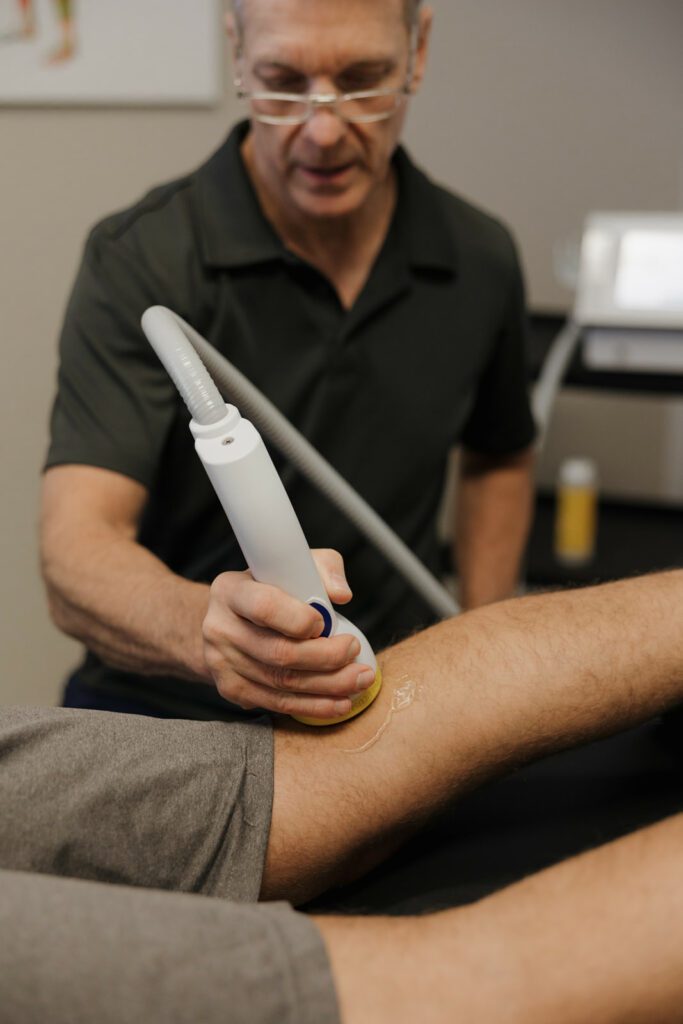
MRT may combine an acoustic-wave treatment with Class IV laser when the evaluation suggests that two different supportive approaches have a clear purpose. A combined plan is not automatically better, and it should not be presented as a guaranteed way to repair nerves or reverse neuropathy.
This article explains the role of each modality and how MRT decides whether one, both, or neither should be part of the plan.
Why a Neuropathy Plan May Use More Than One Modality
Burning, tingling, numbness, weakness, and balance changes can have different causes. A useful plan begins with the medical context and functional concerns, then assigns a clear purpose to each supportive treatment. Start with the neuropathy relief page for the broader symptom and evaluation overview.
The Role of Acoustic-Wave Treatment
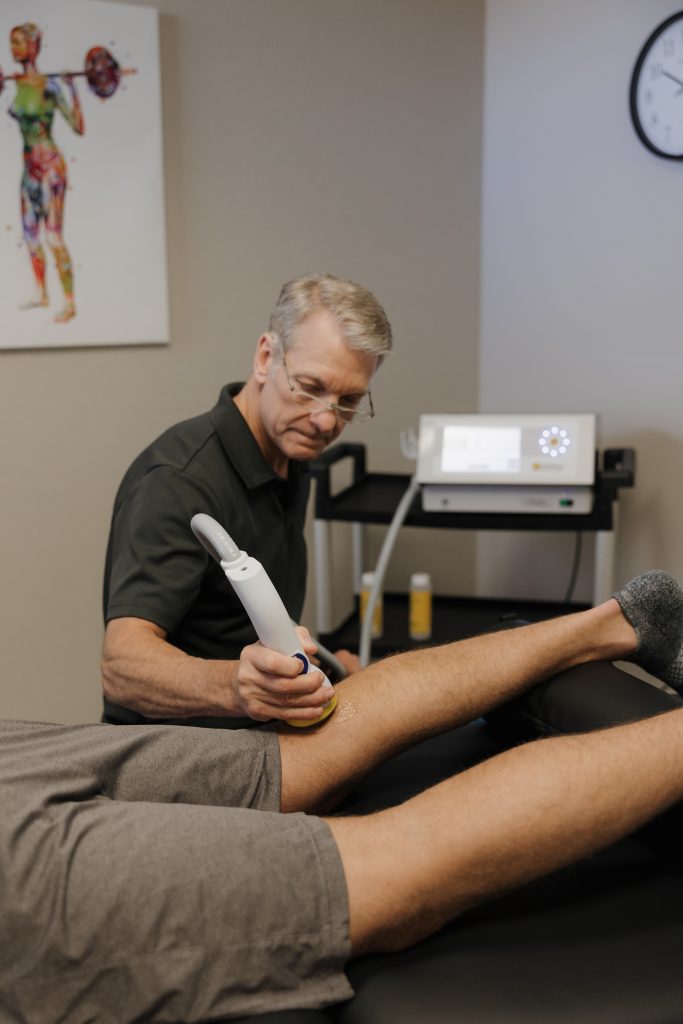
SoftWave applies acoustic energy to a selected area. MRT may consider it to support local tissue response, circulation, comfort, or movement when those goals fit the evaluation.
For a deeper discussion of this modality, read SoftWave Therapy for Neuropathy: What to Know.
How Class IV Laser May Fit a Neuropathy Plan
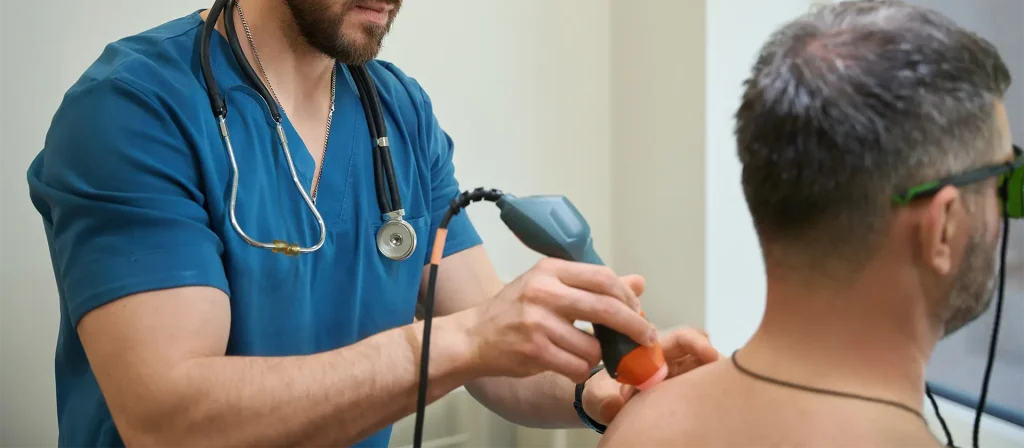
Class IV laser therapy for neuropathy-related concerns may be discussed as a light-based option to support local tissue comfort, circulation, and recovery. The treatment area and purpose should be explained before sessions begin.
MRT can measure progress against practical goals such as comfort, walking tolerance, sleep, or activity. The technology should not be presented as a guaranteed way to regenerate damaged nerves.
How MRT Decides Whether to Combine Therapies
A combined plan should answer four questions:
- What finding supports using each treatment?
- What goal is assigned to the acoustic-wave session?
- What goal is assigned to the laser session?
- How and when will progress be reviewed?
If the same goal can be met with one option, a simpler plan may be more appropriate.
Frequently Asked Questions
Is a combined plan always better?
No. The number of modalities should be based on the evaluation and the purpose of each treatment.
Can these treatments reverse neuropathy?
They should not be presented as a guaranteed reversal. Outcomes depend on the cause, severity, and medical context.
What should I ask before starting?
Ask why each treatment is being recommended, what progress should look like, and when the plan will be changed or stopped.
If symptoms are affecting comfort, movement, sleep, or daily routines, schedule a visit with Muscle Restoration Therapy in Fort Collins to discuss realistic next steps.