
Understanding Red Light Therapy: Benefits and How It Works
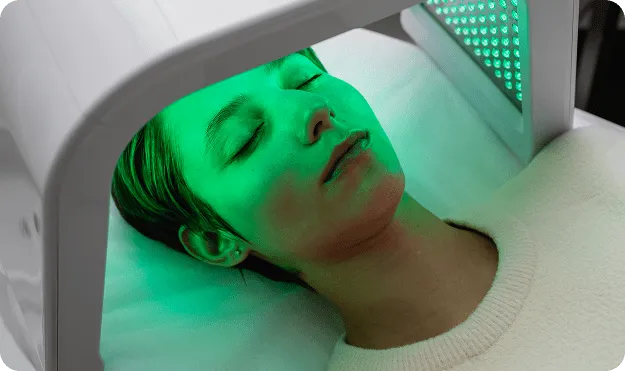
Red light therapy (RLT) is an innovative treatment that harnesses various wavelengths of red and near-infrared light to promote health and healing in the body. By penetrating the skin and being absorbed by specific cells, red light therapy stimulates cellular processes that enhance energy production, leading to a myriad of benefits for overall well-being.
How Does Red Light Therapy Work?
At the core of red light therapy is the principle of photobiomodulation (PBM), a process where light energy is absorbed by cells to stimulate various biological functions. When red or near-infrared light is applied, it penetrates the skin and is absorbed by mitochondria, the powerhouse of the cell. This absorption increases the production of adenosine triphosphate (ATP), the energy currency of cells, enabling them to function optimally.
The wavelengths commonly used in red light therapy range from 600 nm to 1,000 nm. Each wavelength targets different depths of tissue and offers unique benefits, making this therapy highly versatile. Here are the specific wavelengths used in our ARRC-LED bed:
- 528 nm: Known for its role in cellular repair and regeneration.
- 633 nm: Effective for enhancing skin health and reducing inflammation.
- 660 nm: Commonly used for wound healing and improving blood circulation.
- 810 nm: Targets deeper tissues and is beneficial for muscle recovery.
- 850 nm: Promotes anti-inflammatory effects and improves overall vitality.
- 904 nm: Effective for pain relief and stimulating deep tissue repair.
This comprehensive approach ensures that various systems in your body benefit from the therapy, making it an excellent addition to any wellness routine.
Benefits of Red Light Therapy
Red light therapy offers a wide range of benefits, making it an attractive option for those seeking natural, non-invasive treatment methods. Here are some of the most notable advantages:
- Inflammation and recovery support: Red and near-infrared light may support cellular activity, circulation and the body’s recovery response. Results vary based on the condition, treatment area and individual care plan.
- Enhanced Skin and Hair Health: RLT promotes healthier, more vibrant skin by stimulating collagen production and improving circulation. Additionally, it has been shown to encourage hair growth, making it a popular choice for individuals experiencing hair thinning or loss.
- Accelerated Wound Healing: Red light therapy speeds up the healing of wounds and injuries. Studies have shown that applying RLT to injured areas can significantly reduce healing time and enhance tissue repair.
- Faster Muscle Recovery: Athletes and fitness enthusiasts can benefit from RLT’s ability to aid in quicker recovery after intense physical activity. By reducing muscle soreness and inflammation, red light therapy can help you get back to your training regimen faster.
- Reduced Fatigue: Many users report increased energy levels and a reduction in feelings of tiredness after undergoing red light therapy sessions. This boost in energy can improve overall productivity and quality of life.
- Improved Brain Function: Emerging research suggests that red light therapy may enhance cognitive performance and mental clarity. By improving circulation and reducing oxidative stress, it can potentially benefit overall brain health.
- Increased Energy Levels: By promoting better cellular function and increasing ATP production, red light therapy provides a natural energy boost that enhances overall vitality.
Red Light Therapy and Inflammation
Inflammation is part of the body’s normal response to injury, physical stress or illness. Short-term inflammation can help protect an affected area while it recovers. When irritation continues, however, it may contribute to ongoing soreness, stiffness or slower recovery.
Red light therapy, also called photobiomodulation, uses red and near-infrared wavelengths that are absorbed by cells. Researchers have studied how this light may affect mitochondrial activity, cellular energy, oxidative stress and inflammatory signaling.
The practical goal is not to claim that red light therapy cures chronic disease. At Muscle Restoration Therapy, it may be considered as one supportive option for comfort, tissue recovery and normal activity when those goals fit the person’s symptoms and evaluation.
How It May Support Recovery
Red and near-infrared light may:
- Support mitochondrial activity and cellular energy production
- Help cells manage oxidative stress
- Influence processes associated with the inflammatory response
- Support circulation and tissue recovery
- Complement other care when a combined plan is appropriate
Response varies by condition, treatment area, health history and session plan. Red light therapy should not replace medical evaluation or treatment for unexplained, severe or worsening symptoms.
Research and Further Reading
Research has examined the anti-inflammatory effects of photobiomodulation and its possible role in pain and tissue recovery. Readers who want more technical information can review the research links below.
External Research Links
- Mechanisms and Applications of the Anti-Inflammatory Effects of Photobiomodulation
- Photobiomodulation Therapy for Pain and Inflammation: Literature Review
Research and Further Reading
Research has examined the anti-inflammatory effects of photobiomodulation and its possible role in pain and tissue recovery. Readers who want more technical information can review the research links below.
Experience the ARRC-LED Bed
Our ARRC-LED bed is specifically designed to deliver the full benefits of red light therapy effectively. Unlike individual light panels, which may treat specific areas, our full-body bed treats your entire body at once. This design maximizes skin surface area coverage and ensures a more comprehensive therapy session.
Each session with the ARRC-LED bed allows you to experience the combined effects of the various wavelengths, enhancing the overall effectiveness of your treatment. Whether you are seeking relief from chronic pain, looking to improve your skin health, or simply wanting to boost your energy levels, our red light therapy bed can help you achieve your wellness goals.
For local session details, preparation information and appointment options, learn more about MRT’s full-body LED light therapy in Fort Collins.
Learn more about MRT’s specific bed on ARRC’s website – Click Here
When should I ask about red light therapy?
Ask for help if symptoms are persistent, worsening, or limiting work, sleep, walking, training, or normal daily activity.
Can MRT help me compare options?
Yes. MRT can review your symptoms and explain which non-invasive care options may or may not fit your situation.
Will everyone respond the same way?
No. Response varies by condition, severity, history, and goals, so MRT begins with an individual evaluation.
Conclusion
Red light therapy is a powerful tool for enhancing health and well-being. With its diverse range of benefits—from reducing inflammation to accelerating wound healing—this therapy offers a natural and effective way to improve your quality of life. By integrating red light therapy into your routine, you can tap into its potential to revitalize your body and support your overall health.
Experience the difference that the ARRC-LED bed can make in your wellness journey. For more information about how red light therapy can benefit you, feel free to reach out or schedule a session today!