
Muscle Restoration Therapy provides advanced, non-invasive pain management in Fort Collins. We differ from other therapies that just treat symptoms. We take a different approach—we find and treat the true cause of your pain to deliver long-term relief.
At MRT, our process begins by understanding your symptoms—but ultimately, we focus on what is causing them. We don’t guess. We locate the true underlying source of your discomfort. From there, we build a customized treatment plan using a combination of our non-invasive therapies to target the root cause and deliver true, long-lasting pain relief.
Ready to finally get out of pain and back to living your life? Request an appointment today!
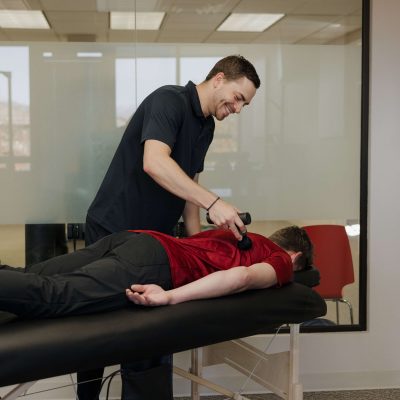
Most back pain comes from muscles that aren’t stabilizing the spine the way they should. We identify and correct these dysfunctions to reduce pain and restore movement — without injections or medication
Knee pain is often caused by imbalances in the hips, quads, or lower leg muscles. We find what’s not firing correctly and restore proper function so the knee can move and load without pain.
Shoulder pain usually comes from instability in the rotator cuff or upper-back muscles. We locate the weak links and restore activation so lifting, reaching, and sleeping stop hurting.
Neck pain often shows up when postural muscles stop doing their job. By restoring proper muscle activation in the neck, shoulders, and upper back, we reduce tension and improve mobility.
Some neuropathy symptoms are worsened by chronic inflammation and poor muscle function. Our non-invasive therapies support tissue health, circulation, and improved movement patterns.
Foot and heel pain often comes from dysfunction in the hips, calves, or intrinsic foot muscles. We correct the upstream causes so you can walk and stand without pain.
Targeted care focused on restoring core strength, stabilizing pelvic muscles, and alleviating chronic hip or lower body pain. Learn how targeted muscle re-education helps restore balance and everyday comfort.
A care plan may include Muscle Restoration Therapy, SoftWave therapy, or back pain relief when those options fit the evaluation. MRT uses each option to support comfort, mobility, and function without turning every symptom into the same treatment path.
While traditional fixes like medication, rest, or injections offer short-term relief, they leave the underlying breakdown unaddressed. True recovery requires looking at how muscle weakness, compensation patterns, and joint stress interact. We look at your body as a complete system to isolate the true structural drivers of your pain, ensuring your relief actually lasts.
You don’t have to figure out which advanced modality your body needs. Based on your structural testing, we actively combine hands-on Muscle Restoration Therapy with cutting-edge technologies like SoftWave or Spinal Decompression. This multi-angled approach unloads joint pressure, breaks down deep tissue restrictions, and accelerates your body’s natural recovery simultaneously.
We actively review your progress and adjust your care plan along the way, ensuring you never get stuck with a generic, one-size-fits-all treatment package.
Treatment Plan Therapies May Include:
Muscle Restoration Therapy is a leading pain management clinic in Fort Collins focused on identifying and treating the root cause of chronic pain. Unlike many traditional pain clinics in Fort Collins that rely on injections or medication, we use non-surgical therapies designed to restore proper muscle and nerve function.
As a local pain treatment center serving Fort Collins and Northern Colorado for over 20 years, we help patients with back pain, knee pain, shoulder pain, neuropathy, and chronic joint conditions. Every treatment plan is customized to the individual — with the goal of long-term relief, not temporary symptom control.
A pain management clinic evaluates factors that may be contributing to ongoing discomfort and recommends appropriate care. MRT focuses on muscle function, movement, and non-invasive treatment options.
No. MRT does not prescribe opioid medication or perform injections. The clinic focuses on non-invasive care and will recommend medical follow-up when symptoms require a different type of evaluation.
Common concerns include back, neck, shoulder, knee, foot, heel, joint, and nerve-related symptoms. Visit the condition page that best matches your concern for more detail.
The timeline depends on the condition, how long it has been present, the evaluation findings, and how the person responds.
MRT explains a starting plan after the first visit and reviews progress along the way.
Request a first appointment so the team can review your symptoms, goals, and the most appropriate next step.
Feel your best with Muscle Restoration Therapy.
Book a session today and experience the difference. Not sure if we treat your specific issue? Browse our conditions page or reach out below.